DIY Garden Protection: Why Hlukhiv Residents Use Tin Cans to Scare Pests
Local gardeners in Hlukhiv are employing a simple yet effective method using empty cans to protect their crops from moles and birds.
 🏙️City
Photo: UNIAN
Key points
- Aluminum cans create vibrations that repel moles and voles.
- Reflective surfaces and noise deter birds from fruit crops.
- A cost-free, eco-friendly alternative to electronic pest repellers.
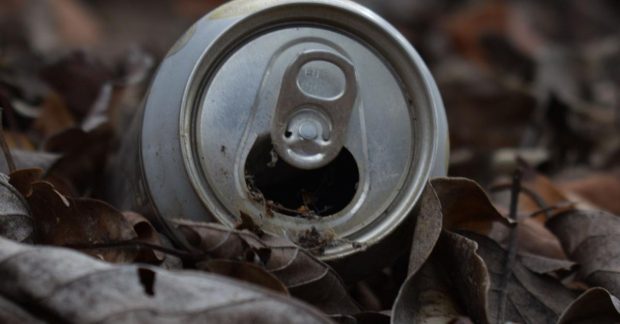
In the private sectors and garden plots of Hlukhiv, a peculiar sight has become increasingly common: empty aluminum cans mounted on metal rods. While it might look like leftover party debris, it is actually a clever DIY pest control method. Local residents use these simple devices to safeguard their vegetable patches and fruit trees using basic principles of physics.
The Mechanism: Sound, Vibration, and Light
The device operates on a straightforward principle: wind causes the lightweight can to rotate and strike the metal rod. This creates a specific clanging sound and sends vibrations directly into the soil. Since moles and voles have highly sensitive hearing and are attuned to ground vibrations, these disturbances create an uncomfortable environment, forcing them to relocate. The beauty of this solution lies in its unpredictability; the sound changes with the wind's intensity, preventing pests from becoming accustomed to it.
Beyond underground dwellers, these constructions are effective against birds. When placed on higher poles near cherry trees or strawberry beds, the cans act as dynamic scarecrows. The sunlight reflecting off the aluminum surface, combined with sudden metallic noises, deters starlings and other birds from approaching the ripening fruit. Experts suggest that while plastic bottles can also be used, metal provides a sharper, more effective sound.
Installation and Safety Tips
- Loose Fit: The can must rotate freely on the rod to catch even the slightest breeze.
- Stability: The rod should be firmly anchored in the ground to withstand strong winds.
- Placement: Position the devices near fresh molehills or areas with visible rodent activity.
"Under the influence of the wind, the can rotates, sways, and hits the metal rod. The sounds can be heard even from a distance," experts explain.
Safety Warning: Property owners should exercise caution if children or pets frequent the garden. The sharp edges of cut metal can cause serious injuries. The "Hlukhiv — Archymap" editorial team recommends placing these deterrents in less accessible areas or ensuring the edges are smoothed to prevent accidents.
Source UNIAN — unian.ua/curiosities/porozhnya-blyashanka-na-palici-mozhe-vryatuvat… ↗
Read next
 🛡️Security
Tragedy in Dymer: Death toll from Russian attack rises to eight
Rescuers have recovered the body of an eighth victim following a Russian strike in the town of Dymer, Kyiv region. Search and rescue operations at the site of the destroy…
 👥Society
Clashes at Kyiv Pechersk Lavra: Police Launch Investigation
A conflict broke out at the historic site due to disputes over the religious affiliation of a building. Law enforcement officers intervened to restore order.
 🏛️Politics
Evacuation of civilians from frontline zones: analysis of proposals and ISW stance
Ukraine has proposed a humanitarian ceasefire to evacuate residents from 15 settlements in the south, while ISW experts explain why such steps are impossible in the Donet…
 🛡️Security
Another Attack on Novoshakhtinsk Oil Refinery: Impact on Russian Logistics
On the night of November 23, the Novoshakhtinsk Oil Refinery in the Rostov region was attacked, disrupting a key fuel supply chain for Russian forces.
 👥Society
Police operation launched in Kharkiv following fatal shooting
On the evening of November 22, a fatal shooting occurred in Kharkiv. Police have launched a special operation to identify and apprehend the suspects.
 👥Society
Debris of recently manufactured Russian missiles found in Poland
Fragments of Kh-101 cruise missiles, produced just weeks ago, were discovered in eastern Poland.