EU Integration Reforms: Why Quality of State Decisions Matters More Than Reporting
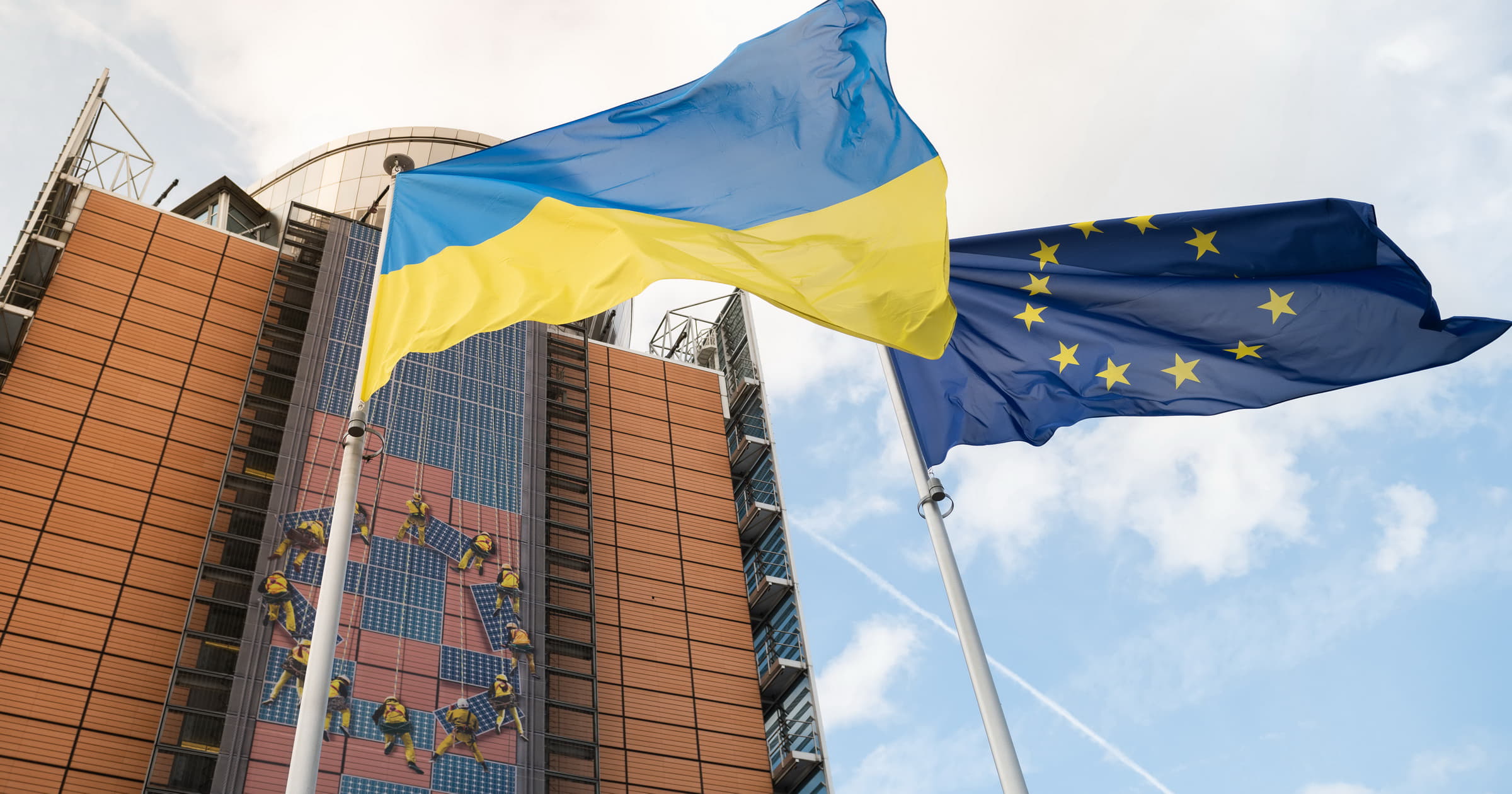
The latest European Commission report on Ukraine points to a systemic issue: laws are adopted, but implementation mechanisms often remain unviable in practice.
 💼Economy
Photo: Ukrainska Pravda
Key points
- European Commission highlighted partial implementation of public administration recommendations.
- The main issue is the gap between adopting laws and establishing enforcement mechanisms.
- Involving practitioners and businesses in policy drafting is crucial.
The European Commission has published its latest report on Ukraine's EU integration progress, highlighting a chronic problem within the national legislative process. Despite numerous drafted bills, working groups, and engaged international experts, the quality of final state decisions often leaves much to be desired. The public administration section notes that last year's recommendations were only partially implemented, while systemic barriers remain unaddressed.
The Main Challenge in Implementing EU Integration Reforms
The primary trap of Ukrainian reforms lies in the gap between adopting a formal law and creating actual conditions for its enforcement. As practice shows, knowing European legislation is not enough; it is crucial to determine whether state bodies possess the necessary human resources, data, funding, and technical capabilities to administer it. A telling example is the creation of two specialized administrative courts in 2025, which still do not operate due to a lack of appointed judges, staff, and organizational conditions.
Similar difficulties arise in other sectors, such as the waste management reform launched during the full-scale war or financial reporting regulations. When new obligations are imposed on businesses and communities without preparatory infrastructure and software, the system malfunctions. Stakeholders are forced to seek deadline extensions only after the requirements go live, which delays expected environmental or economic outcomes.
The Need to Involve Practitioners in Policy-Making
Experts emphasize the necessity of involving practitioners early in shaping approaches, drafting texts, and defining implementation mechanisms. Representatives of businesses, local communities, engineers, and lawyers can foresee where a regulation will collide with reality. Without their input, the state risks wasting resources on formal compliance while citizens and enterprises fail to experience the intended benefits of the reforms.
Source Ukrainska Pravda — pravda.com.ua/columns/2026/11/23/8064137/ ↗
Read next
 🚨Events
Weather forecasters predict snow and daytime frosts in Ukraine this week
The Ukrainian Hydrometeorological Center warns of unstable weather with snow in most regions, rains in the south, and daytime frosts down to -6C.
 🚨Events
Jet-powered Geran-5: Experts assess the threat of Russia's new drone
Russian forces have begun deploying new jet-powered Geran-5 drone modifications, which feature significantly higher speeds and heavier payloads than standard loitering mu…
 🚨Events
Forecasters predict an abnormally warm December 2026
Climatologists expect the first month of winter in Ukraine to be warmer than average, with prevailing positive temperatures and unstable snow cover.
 🧠AI Analysis
Parts of Ukraine brace for severe weather change: forecasters warn of snow and gale-force winds
The Ukrainian Hydrometeorological Center has issued a storm warning for November 23 due to complex weather conditions affecting several regions.
 🛡️Security
Electricity restored in Rivne region following Russian attack
Energy workers have fully restored power supply in the Sarny district after a Russian strike caused outages on November 20.
 🎭Culture & Sport
Preparing Roses for Winter: Advice for Glukhiv Gardeners
Experts explain why autumn rose pruning requires caution and how to properly prepare flowers for the cold to ensure their survival.