Eight kilometers that changed history: how technology solved an ancient mystery
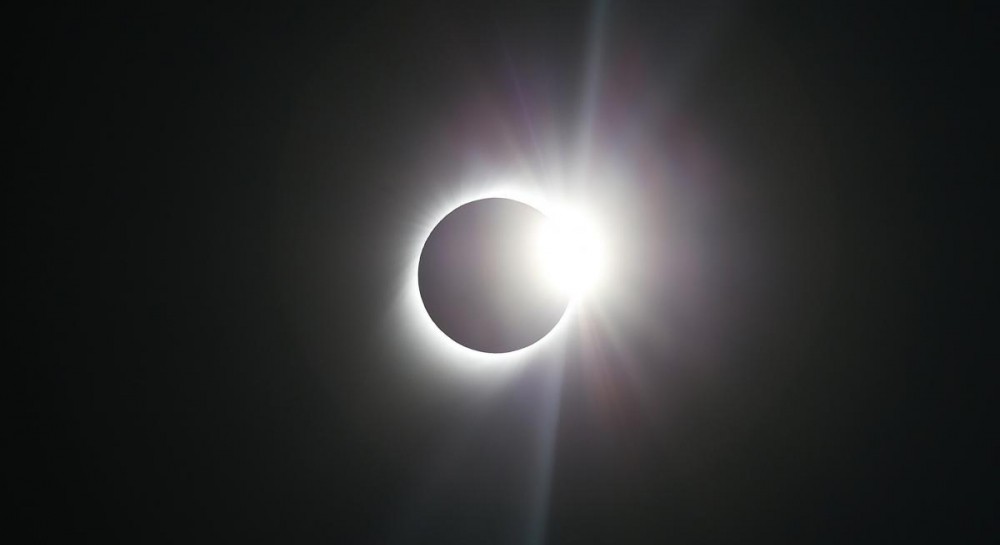
Researchers from Nagoya University have refined the coordinates of the ancient capital of the Lu state, confirming a 2,700-year-old solar eclipse record.
 💡Tech
Photo: UNIAN
Key points
- Refined coordinates of the Lu state capital
- Confirmed 709 BC solar eclipse record
- Data aids study of Earth's rotation deceleration
Modern astronomical modeling methods and archaeological data have helped scientists resolve a long-standing scientific debate. The issue concerns the description of a total solar eclipse recorded in Chinese chronicles in 709 BC. Previously, calculations indicated that the city of Qufu, where the event was believed to have been observed, did not fall within the path of totality.
Accuracy matters
A new study by Japanese experts revealed that the error lay in the geographical positioning. The ancient capital of the Lu state was located about 8 kilometers away from the site previously assumed to be the city center. This seemingly small difference proved decisive: from the corrected location, astronomers could indeed have witnessed the total eclipse and, potentially, the solar corona.
This case demonstrates how archaeology and astronomy complement each other. Beyond validating historical records, these findings help scientists better understand the dynamics of Earth's rotation, which has been gradually slowing down over millennia.
Source UNIAN — unian.ua/science/lishe-8-kilometriv-viddilyali-vchenih-vid-rozgadki… ↗
Read next
 🩺Health
Healthcare Infrastructure Restoration in Chernihiv Region: Over Half of Facilities Repaired
In the Chernihiv region, 54% of medical and social facilities damaged by shelling have been restored. The region is also focusing on hospital energy independence and the …
 🛡️Security
EU to allocate €1 billion for arms procurement for the Ukrainian Armed Forces
The Council of the EU has decided to provide additional funding via the European Peace Facility to supply military equipment to Ukraine through the end of 2027.
 🇺🇦Ukraine
EU spent more on Russian energy than on aid to Ukraine, European Commission data shows
According to the European Commission, EU payments to Russia for energy since 2022 have exceeded the total financial aid provided to Ukraine.
 🎓Education
Scientists investigate the link between color preferences and intelligence
A new study has identified a correlation between color choices in clothing and individual psychological traits.
 🛡️Security
Russian attack on Zaporizhzhia: kindergarten and residential building damaged
As a result of enemy shelling in Zaporizhzhia, civilian infrastructure was damaged, including a kindergarten and an apartment building.
 🛡️Security
Ukraine blocks Russia's attempts to legitimize occupation at COP31 climate summit
The Ukrainian delegation at the COP31 conference in Antalya has opposed Russia's inclusion of data from occupied regions in climate reports.