History and Traditions of New Year: Why We Celebrate on January 1st
We explore the origins of the January 1st date and learn how calendar reforms changed celebration traditions around the world.
 🏙️City
Photo: TSN
Key points
- January 1st became the start of the year due to Julius Caesar's reforms.
- The Gregorian calendar unified the date of celebration worldwide.
- Month names have ancient Roman roots connected to the god Janus.
- Different countries have unique customs to attract luck and prosperity.
New Year is a holiday that unites millions of people, yet the date of its celebration has not always been fixed. The modern calendar cycle we live by is the result of centuries of changes and reforms dating back to Ancient Rome.
From Roman Reforms to the Gregorian Calendar
The tradition of welcoming the beginning of the year on January 1st was firmly established thanks to the reforms of Julius Caesar in 46 BC. The month of January was named after the god Janus, who symbolized transitions and new beginnings. Later, in 1582, Pope Gregory XIII introduced the Gregorian calendar, which became the international standard for civil timekeeping.
Before this, different peoples of the world relied on natural cycles, such as the spring equinox or the flooding of the Nile, which determined the start of the new agricultural year.
Global Celebration Traditions
Each culture has its own unique customs for welcoming midnight:
- In Spain, it is customary to eat 12 grapes as the clock strikes to attract good luck.
- In Italy, lentils are served on the table, symbolizing future financial prosperity.
- Japanese temples perform a bell-ringing ritual that sounds 108 times, helping people cleanse themselves of negative thoughts.
- In Scotland, the tradition of the 'first-foot' remains popular, where the first guest brings prosperity into the home for the coming year.
Source TSN — tsn.ua/tsikavinki/koly-sviatkuiut-novyy-rik-chomu-data-prypadaye-na-1-s… ↗
Read next
 💼Economy
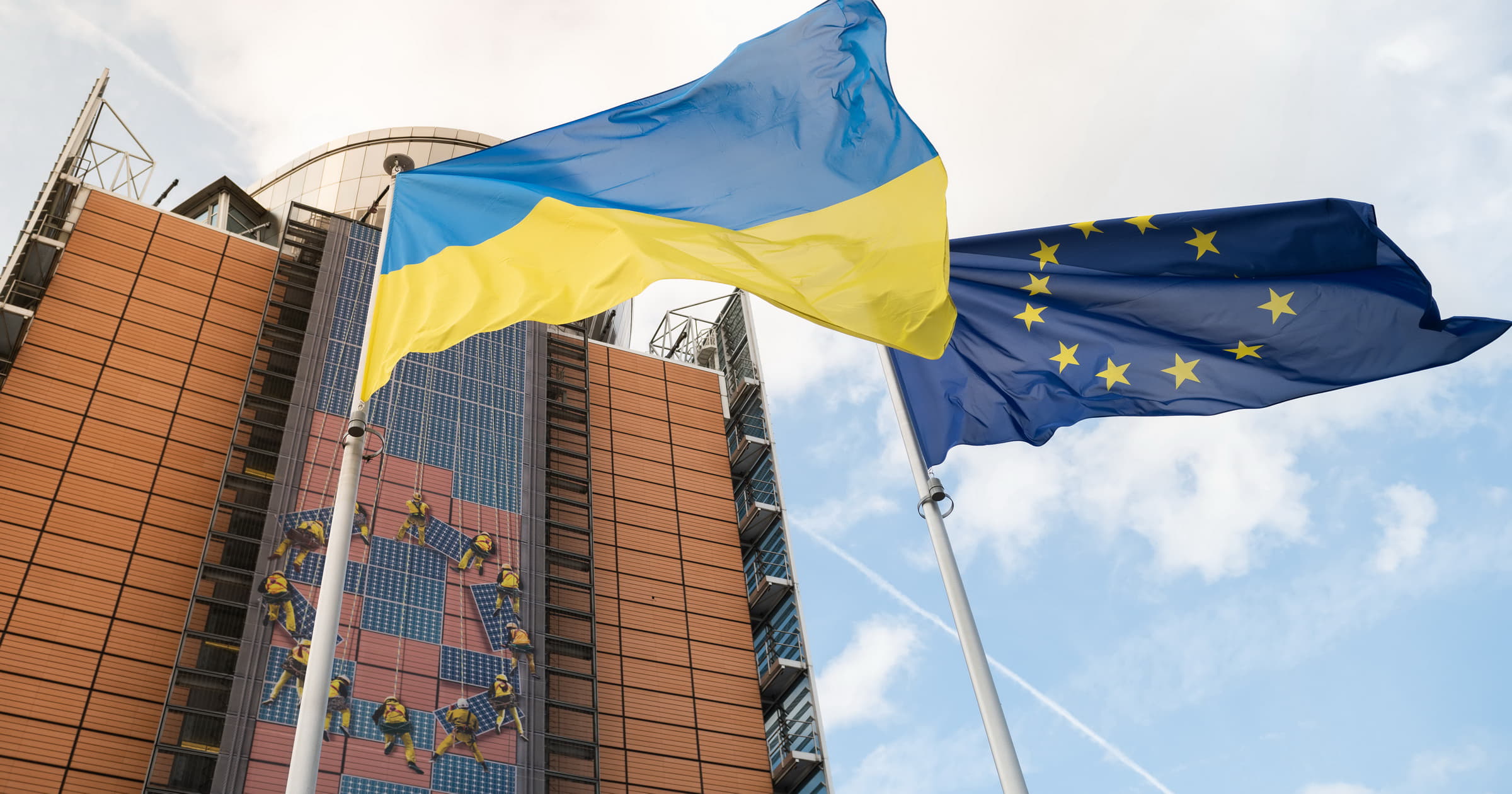
EU Integration Reforms: Why Quality of State Decisions Matters More Than Reporting
The latest European Commission report on Ukraine points to a systemic issue: laws are adopted, but implementation mechanisms often remain unviable in practice.
 💼Economy
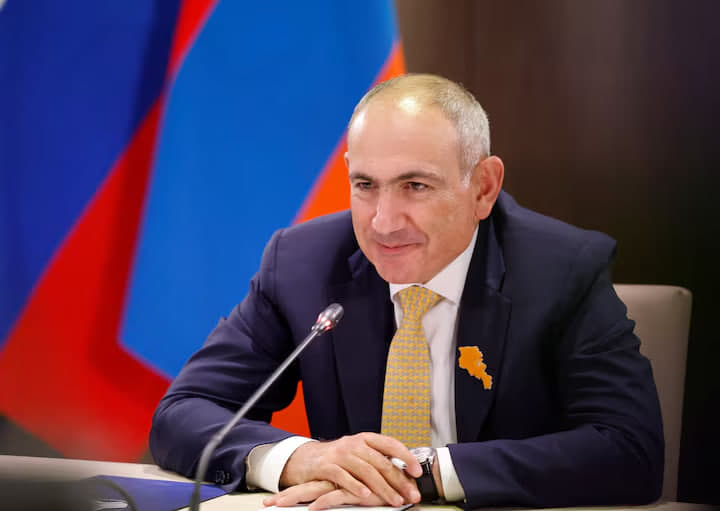
Armenian PM Pashinyan Unveils Draft New Constitution Linked to Peace with Azerbaijan
Armenian Prime Minister Nikol Pashinyan has presented a draft of the country's new constitution, linking the move to signing a peace treaty with Azerbaijan.
 🚨Events
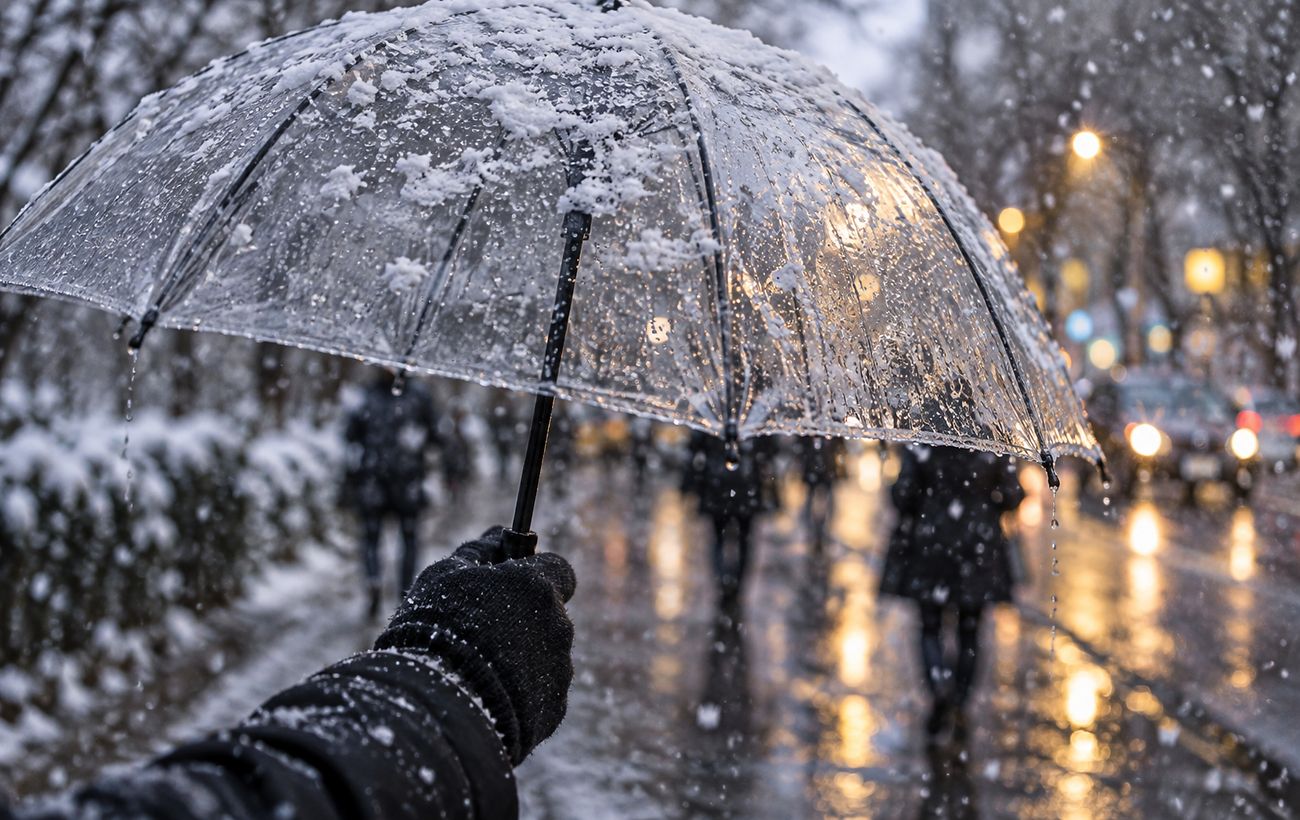
Weather forecasters predict snow and daytime frosts in Ukraine this week
The Ukrainian Hydrometeorological Center warns of unstable weather with snow in most regions, rains in the south, and daytime frosts down to -6C.
 💼Economy
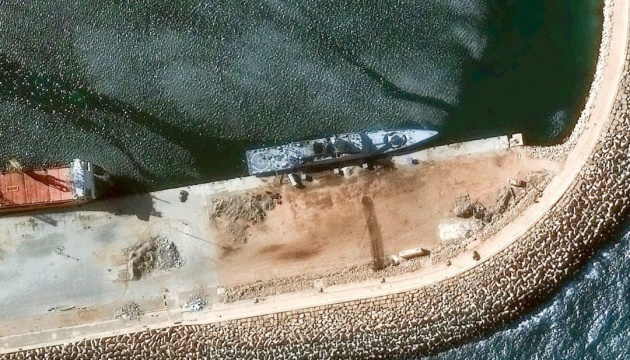
Ukrainian forces conduct operation against Russian naval assets off the coast of Libya
President Volodymyr Zelenskyy confirmed that Ukrainian naval drones successfully targeted a Russian corvette and a cargo ship near Libya.
 🚨Events
Jet-powered Geran-5: Experts assess the threat of Russia's new drone
Russian forces have begun deploying new jet-powered Geran-5 drone modifications, which feature significantly higher speeds and heavier payloads than standard loitering mu…
 🚨Events
Forecasters predict an abnormally warm December 2026
Climatologists expect the first month of winter in Ukraine to be warmer than average, with prevailing positive temperatures and unstable snow cover.